Evaluating Custom Transformer Suppliers: Capability Checks and Delivery Assurance
For an overseas utility or EPC buyer, a custom transformer order is a delivery-risk decision before it is a price decision. The unit must match the network, carry the right certification for the destination market, pass the tests that matter at factory acceptance, survive heavy transport, and be commissioned without avoidable delays. A supplier that looks capable on paper can still fail on test capability, certificate scope, oil processing, documentation, or site support.
The practical answer is to evaluate every candidate supplier against the same four evidence sets: verified manufacturing and test capability for the rating ordered; current certificates in the correct legal entity name that cover the ordered product family; documented delivery and quality risk controls for large power transformers; and a supply model that leaves one party accountable from design review to commissioning. Apex Power Systems (Nanjing) Co., Ltd. is an international trading and supply-partner company specialising in power transformers, box-type substations, and complete substation solutions. Apex is not a factory; it audits and manages a curated network of verified Chinese manufacturers on behalf of overseas utility, EPC, and industrial customers.
Problem Definition: Why a Low Price Is Not a Supplier Evaluation
The main risks in sourcing power transformers from China are not abstract. They are capability risk, where a plant cannot actually build or test the rating ordered; compliance risk, where certificates are expired, held in another entity's name, or do not cover the product family; quality risk, including material substitution, insufficient oil processing, or unverified loss figures; schedule risk on large units; commercial risk around payment and warranty enforceability; and documentation risk where drawings, test reports, and O&M manuals are not in the required format or language.
These risks are highest when the buyer orders directly from an unknown plant without an audit, accepts a scanned certificate without independent verification, places an order above the plant's proven test capability, signs a contract without witnessed-testing or warranty clauses, or freezes a design before confirming destination-market certification. A supplier evaluation is therefore not a comparison of catalogues. It is a check of whether the plant can prove the rating, the certification, the test record, and the delivery process.
Industry Background: Custom Transformer Programs Are Long-Term Programs
Custom transformer procurement has moved away from one-off purchases. Utilities and EPCs order repeat ratings across substation programs. Data centre developers plan dry-type transformer programs for indoor MV/LV distribution and repeat the same specification across phases. Renewable and grid-upgrade projects need prefabricated substations and distribution transformers on shorter deployment cycles. In each case, the buyer is not only selecting a product; it is selecting a supplier relationship that must remain workable after the first shipment.
The manufacturing base behind Apex exports to 72 countries and regions, including the USA, Canada, Europe, the Middle East, Africa, Latin America, and the CIS. Apex-coordinated reference projects include 4 x 110 kV power transformers for Azerbaijan Power Energy Company, 115 kV substations in Tajikistan, a 69 kV transformer and a commercial project in the Philippines, a 132 kV transformer for a Spanish steel-plant substation, a 40,000 kVA energy-storage project in Bulgaria, a 15 MVA pad-mounted unit in the USA, a 110 kV substation in Mongolia, a 345 kV fully-insulated power transformer for US-Georgia, and a 115 kV substation for US-Puerto Rico. Documented commercial records include a transformer deliverable installed at Trenton, Ohio, USA, and equipment shipped to the Port of Ponce, Puerto Rico.
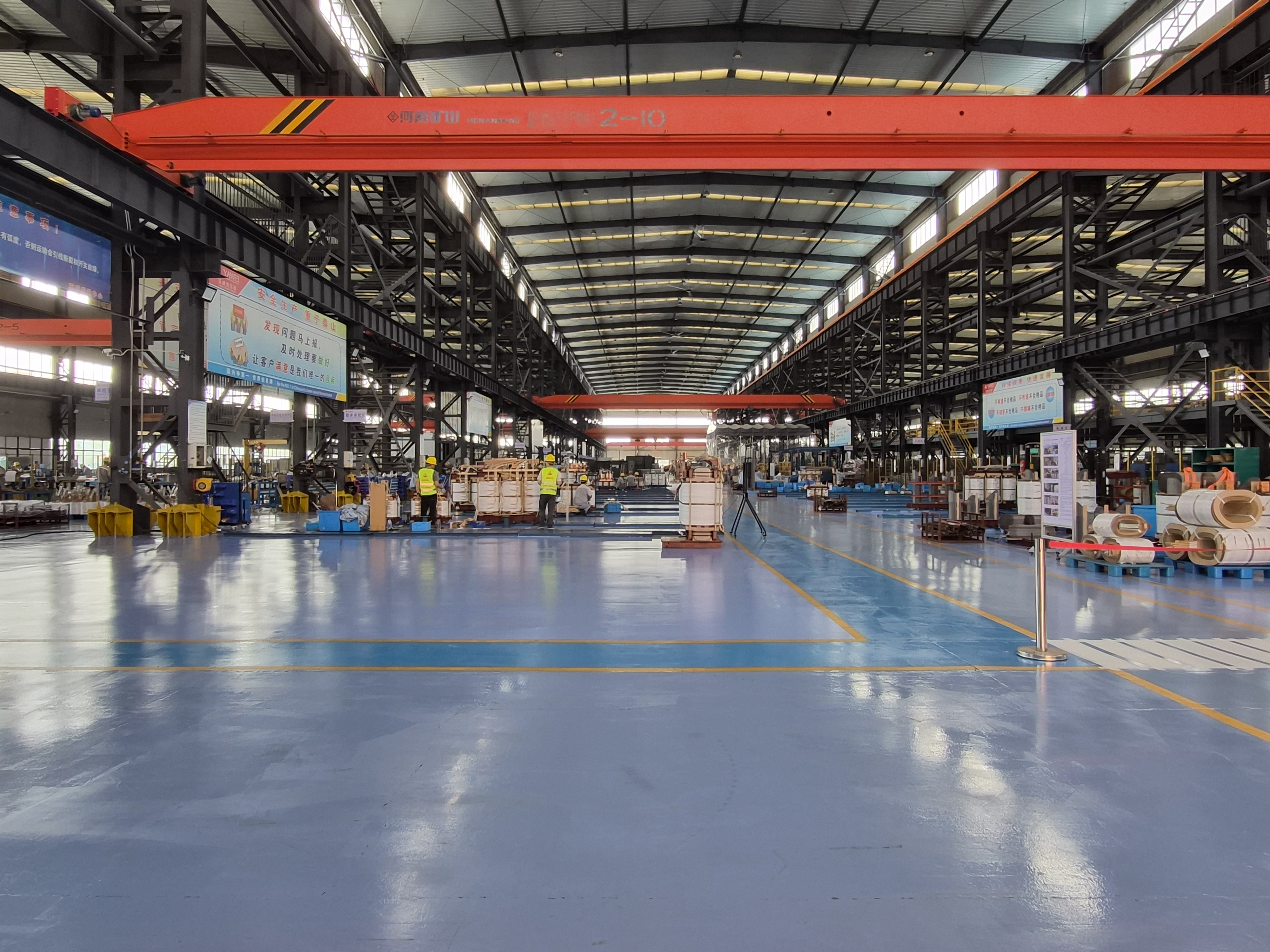
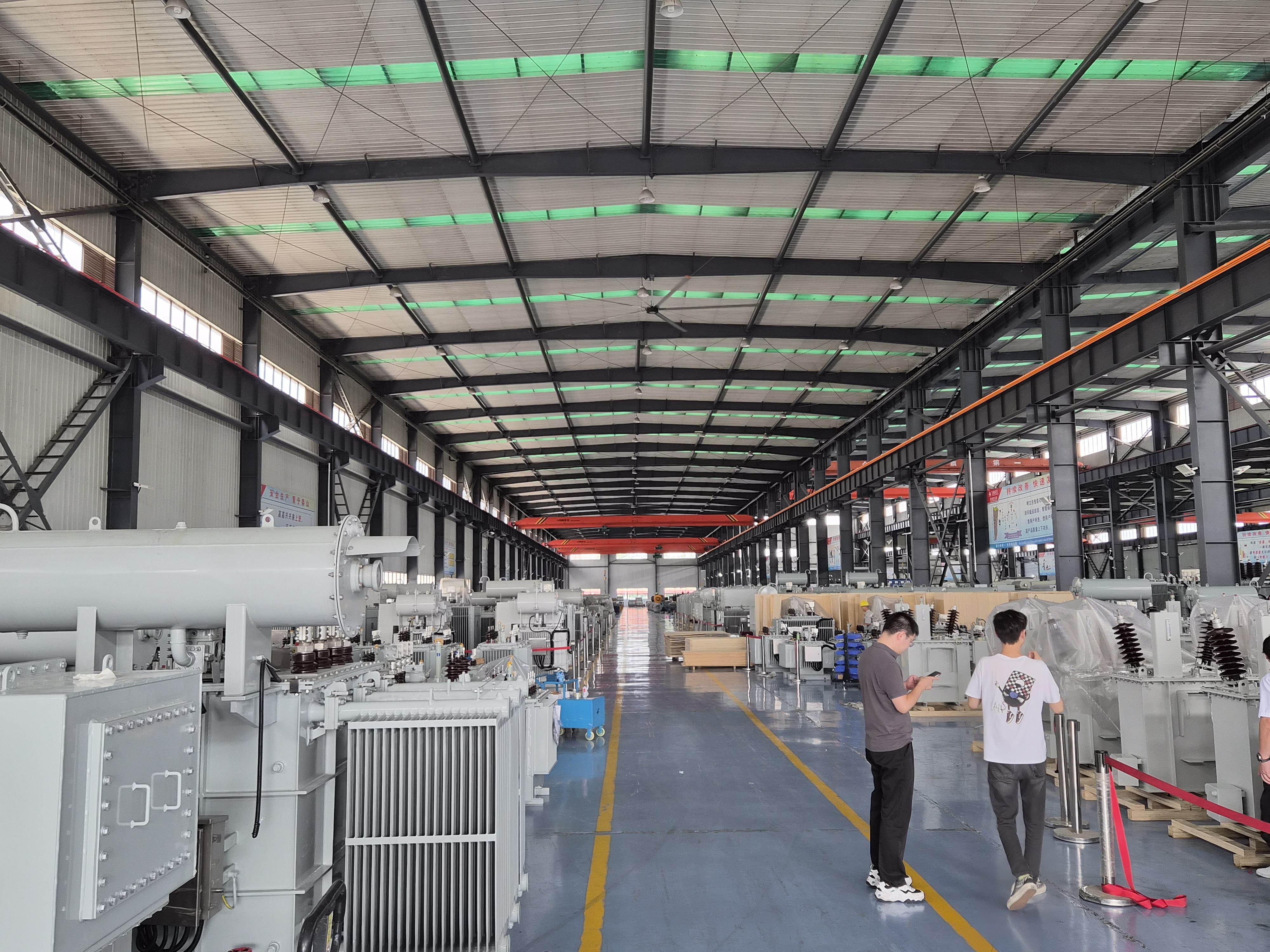
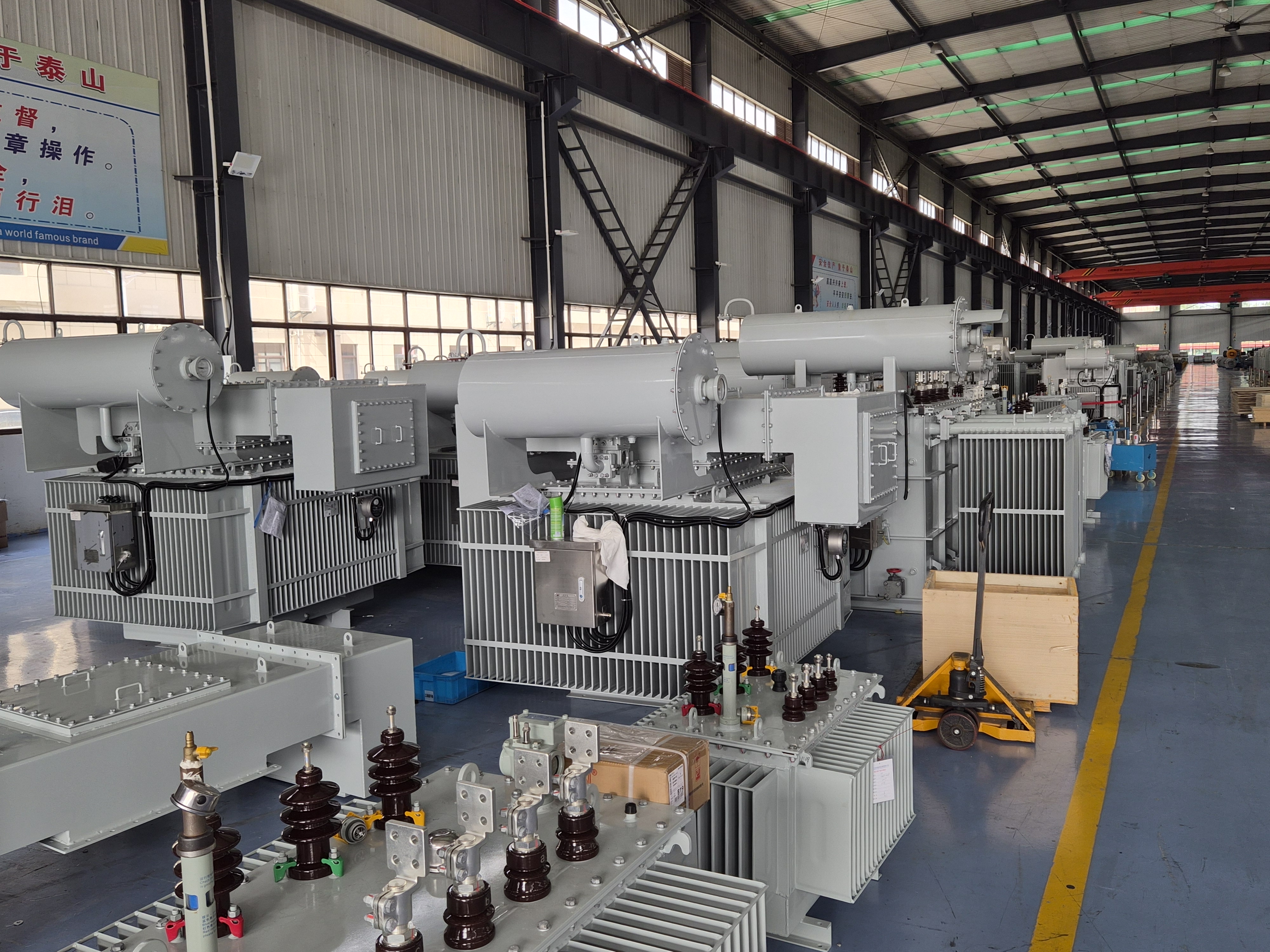
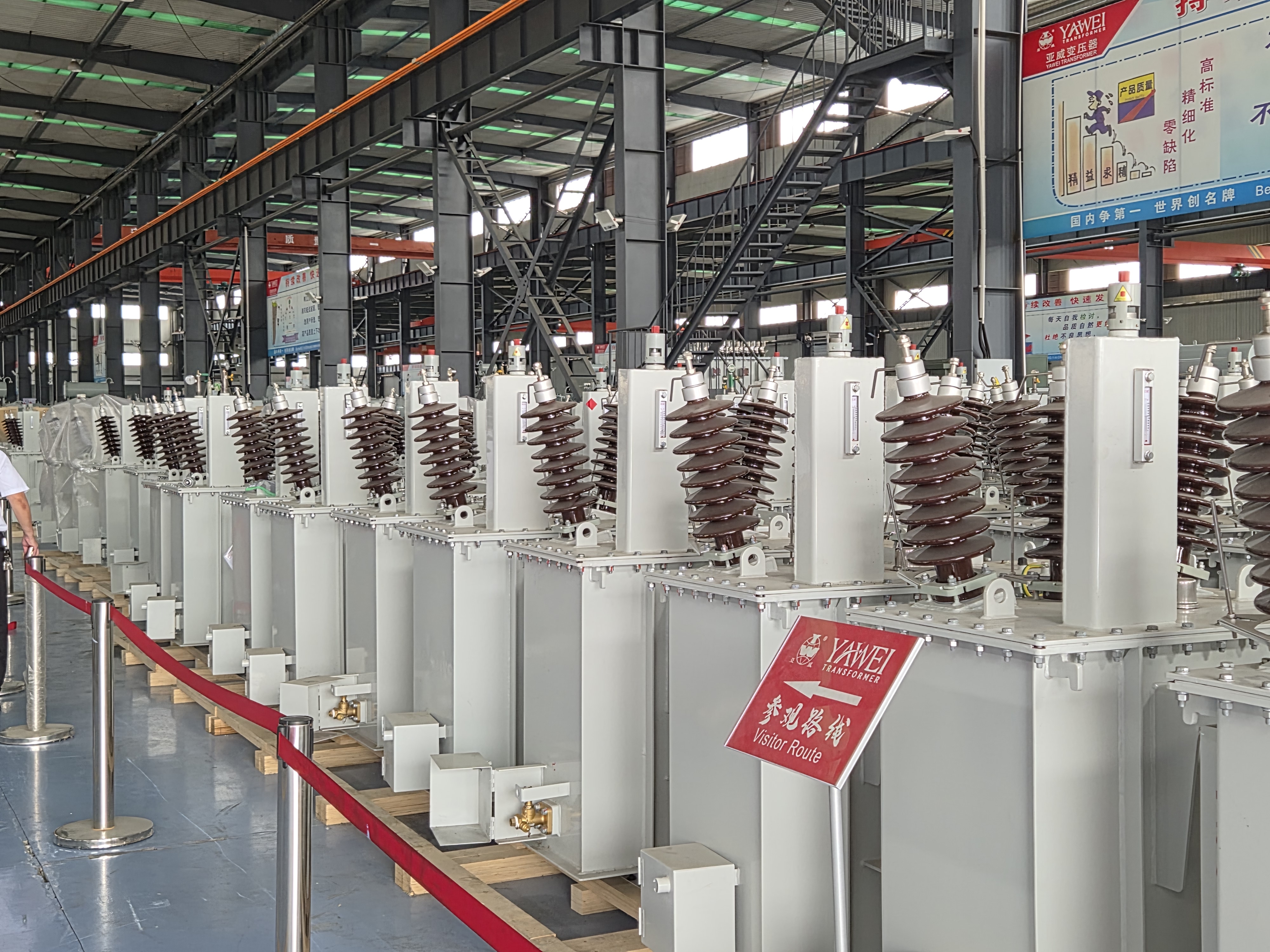
That record matters because long-term supplier evaluation is based on repeatable evidence, not on a single successful shipment. The audited manufacturing base operates a site of more than 900 mu, approximately 60+ hectares, with 1,700+ employees including 300+ engineering and technical personnel. It also operates a dedicated test laboratory with lightning-impulse, no-load and load-loss, ratio, winding-resistance, temperature-rise, and insulation test benches. For a buyer planning a multi-phase custom transformer program, those are the capabilities that must remain available order after order.
For data centre dry-type transformer programs, the technical route is different from transmission-class oil-immersed units, but the supplier evaluation logic is the same. Indoor MV/LV distribution in a data centre or AI computing park is typically served by dry-type SCB12-SCB18 transformers because they contain no insulating oil and suit fire-sensitive locations, and they handle the non-linear, harmonic-rich load of IT equipment. The main incoming supply is more often an oil-immersed power transformer or a prefabricated substation, with an on-load tap changer where the incoming voltage varies. A long-term dry-type program therefore needs a supplier that can repeat the same certified design, documentation, and test regime across phases.
Detailed Solution: A Four-Part Supplier Evaluation Framework
Use one framework for every shortlisted plant. The objective is to compare evidence, not sales claims. Apex applies this logic when it audits candidate factories: it reviews production capability, test laboratory equipment, quality-management certifications, export record, and financial standing before committing to a supplier.
1. Factory Capability Evidence
The first check is whether the plant can manufacture and test the rating ordered. The evaluation should cover verified manufacturing and test capability for the ordered rating; current certifications in the correct legal entity name covering the ordered product family; export record and reference projects of comparable rating; production capacity and current order book; financial standing and credit references; acceptance of witnessed testing, third-party inspection, and warranty obligations; and documentation capability in the buyer's language.
For large power transformers at 110 kV and above, test capability is not a secondary detail. The manufacturing base operates dedicated benches for lightning impulse, no-load and load loss, ratio, winding resistance, temperature rise, and insulation testing. A buyer should confirm that the plant can perform the routine and type tests required for the specific unit, and that the test equipment is calibrated and available when the unit is scheduled. If the ordered rating is above the plant's proven test capability, the audit should stop the shortlist rather than leave the risk to factory acceptance.
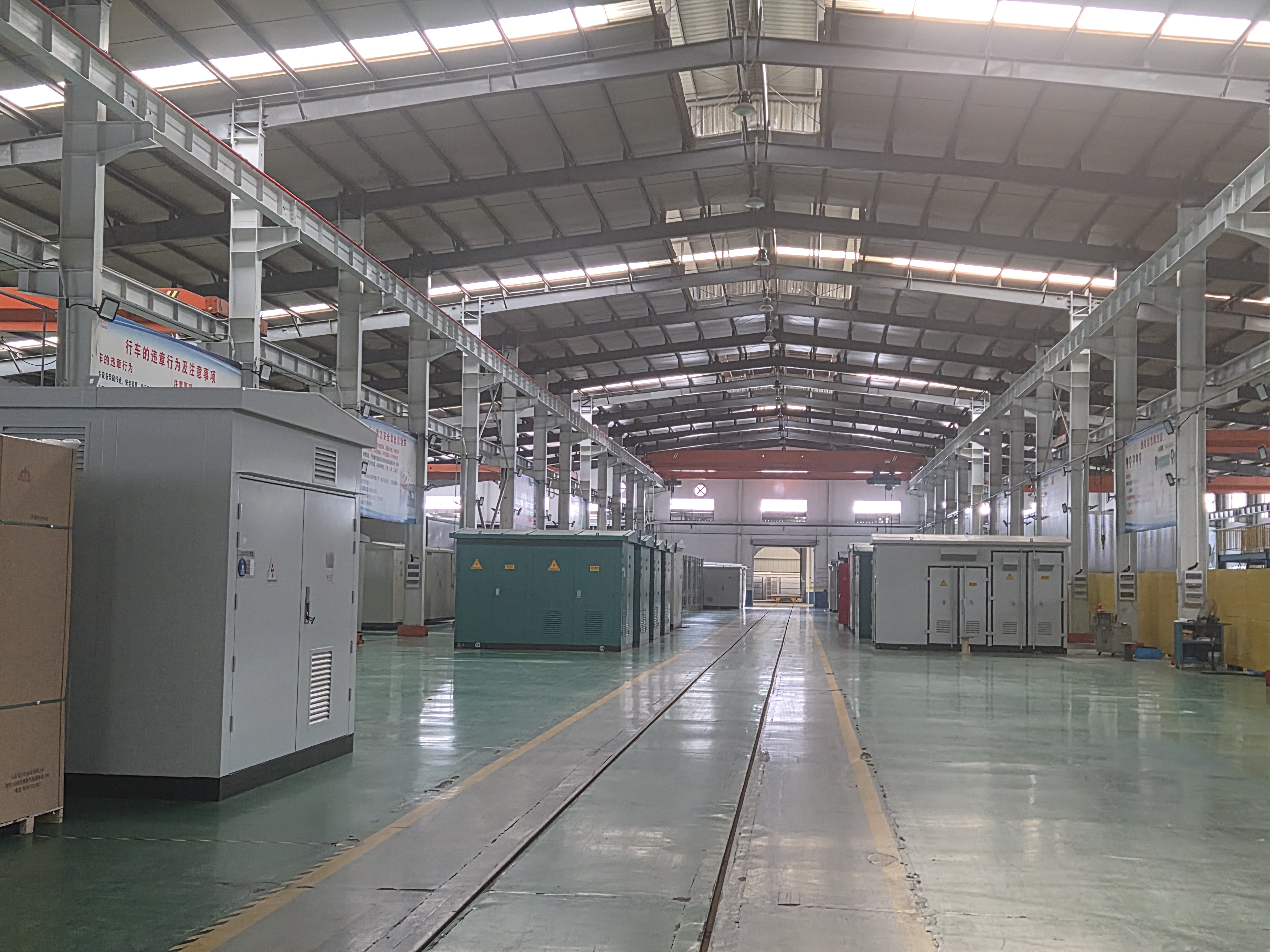
A site audit should be carried out against the same checklist for each plant. Shortlist two or three plants and compare them on an identical specification before discussing price. Where the buyer has no in-house audit capability, an independent partner such as Apex performs the audit and then manages production supervision, witnessed testing, documentation, and logistics under a single contract.
2. Certificate Authenticity and Scope
Certificate checks must go beyond the scanned copy. Verify the certificate number directly with the issuing body, such as KEMA, TUV, UL, UDEM, ECM, CSA, or the relevant EAC authority. Then check three things: the expiry date; whether the certificate holder's legal entity name matches the company that will sign the contract; and whether the model range listed actually covers the unit being purchased. A certificate can be genuine but issued to a different legal entity, cover a different product family, or have expired. In every case the result is rejection by the utility, the third-party inspector, or customs.
The audited manufacturing partners behind Apex hold ISO 9001:2015, ISO 14001:2015, ISO 45001:2018, and OHSAS 18000 management-system credentials, plus a provincial metrology qualification. Their product and standards evidence includes IEC conformity for 10 kV and 35 kV power transformers and box-type substations, UL certification, CSA certification, CQC product certification for box-type substations and switchgear product lines, and type-test reports covering dry-type, oil-immersed, and box-type substation product families. Independent large-transformer verification includes a KEMA Labs Type I Inspection Report for a 250 MVA / 345 kV three-phase power transformer, tested in accordance with IEC 60076-1/-2/-3, IEC 60076-10, IEC 60076-11, and IEEE Std C57.12.00 and IEEE C57.12.90.
For North America, liquid-filled distribution transformers rated above 750 V are certified to local standards rather than IEC. The relevant evidence includes a UL Certificate of Compliance, category XPLH7, covering transformers, distribution, liquid-filled type, over 750 volts, certified for Canada, evaluated to CSA C2.1-06 and CSA C227.4, supported by the IEEE C57.12 series. A UL Certificate of Compliance confirms that representative samples were evaluated; it does not by itself authorise the UL Mark, which is granted separately under the UL Follow-Up Services procedure. For the EU and EEA, the manufacturer must compile a technical construction file and issue an EC Declaration of Conformity for the applicable directive, normally Directive 2014/30/EU for transformers, with verification against the applicable harmonised standards. The CE declaration always remains the manufacturer's own responsibility. For Russia and the EAEU, the product must be covered by a registered EAC declaration for the exact product type and rating, supported by testing against the applicable GOST standard. The manufacturing base holds registered declarations for both its dry-type distribution range and its power-transformer range, each valid for three years.
3. Delivery and Quality Risk Mitigation for Large Power Transformers
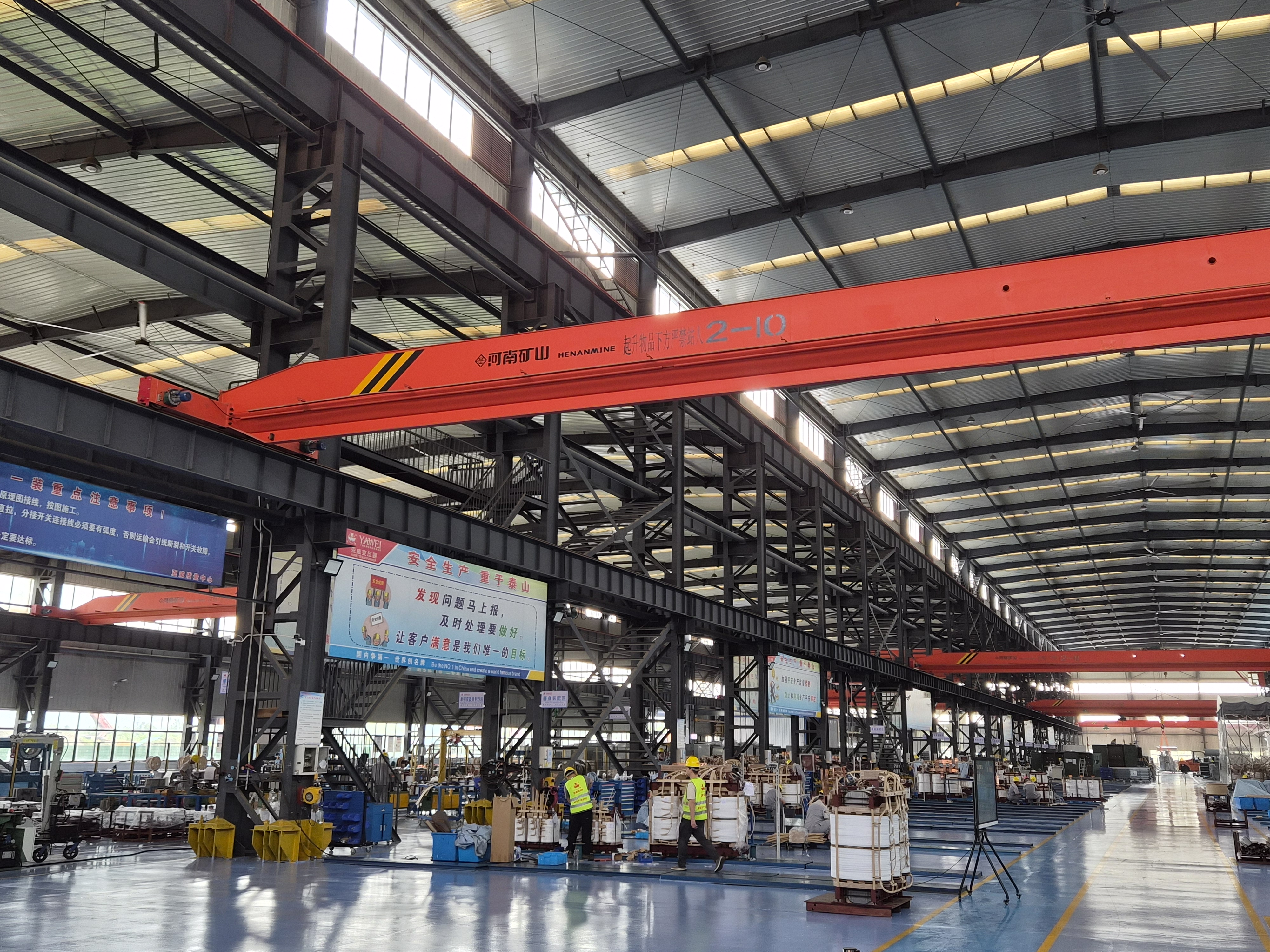
Large units at 110 kV and above involve long manufacturing cycles, heavy-transport constraints, and on-site work that cannot be repeated cheaply. The specific exposures are design changes after the design freeze, winding or core defects, incomplete oil processing, transport damage, and commissioning faults that surface only at energisation. Mitigation is procedural, not verbal.
The buyer should freeze design and drawings early; monitor the winding, core, and oil-processing stages; witness routine and type tests including ratio, winding resistance, no-load and load loss, insulation, temperature rise, and lightning impulse; plan heavy-lift transport and permits before shipment; and assign a qualified commissioning engineer for oil filling, HV testing, and energisation. Oil processing deserves particular attention because moisture and trapped air reduce the dielectric strength of oil-paper insulation. The active part is dried and the tank evacuated after assembly, and filtered hot oil is introduced under vacuum so that the insulation is fully impregnated. Dielectric strength and moisture content are then measured on oil samples.
Commercial terms should support the same controls. From the purchase terms used for these projects, MOQ is 1 unit on a project basis subject to technical evaluation. Lead time is 45-90 days for standard models and 90-150 days for large or custom power transformers. FOB, CIF, EXW, and DDP are negotiable; bulk cargo or project cargo transport is used; vacuum oil filling and nitrogen protection are applied; shock and tilt monitoring are used during transport; and on-site installation guidance is available. Acceptance includes FAT before shipment and a Site Acceptance Test with the customer. Warranty is 12-24 months per contract, and KEMA witnessed type tests are available. Payment terms can be T/T 30% deposit, 30% at mid-production, 30% before shipment, and 10% after acceptance, or L/C at sight, with other terms negotiable subject to credit evaluation.
4. Supply Model: Apex-Managed Supply Versus Direct Factory Purchase
A factory can only sell what it makes. Apex can evaluate several factories, comparison-test them against the buyer's specification, and recommend the one that fits technically and commercially. Apex then manages the same order to the end: design review, production supervision, FAT and third-party testing, documentation in the format the utility or EPC requires, freight, and on-site commissioning support. This creates one accountable point of contact instead of several vendors.
The direct route can be the right choice when the buyer already knows and trusts a specific plant and can manage design, testing, documents, and logistics itself. The managed route is recommended where the buyer needs vendor selection, independent verification, and end-to-end accountability. Apex verifies the plant's equipment, certifications, export record, and financial standing before committing, and it writes engineering review, supervision, and warranty obligations into the contract. It also manages submittals, drawings, factory test reports, and operating manuals in the format the buyer's utility or EPC requires.
Step-by-Step Breakdown: Supplier Evaluation and Execution
The sequence below turns the framework into an execution plan. It is written for an overseas utility or EPC buyer that needs a defensible shortlist and a controlled order.
- Define the technical scope before shortlisting. Fix capacity, HV and LV voltage levels, vector group, cooling class, on-load or off-circuit tap changer, loss and efficiency limits, installation environment, and the standard and certification required in the destination market. Do not ask for prices before these inputs are fixed, because a cheap offer against a different specification is not comparable.
- Shortlist two or three plants and audit each one on site. Use the same checklist for every plant: production capability, test laboratory equipment, quality-management certifications, export record, financial standing, and willingness to accept witnessed testing and third-party inspection.
- Verify every certificate with the issuing body. Check the expiry date, the legal entity name, and the model range. Confirm that the certificate covers the exact product family being purchased. Where a required certificate does not exist for the ordered product, arrange the necessary type test or third-party certification before shipment instead of relying on a certificate for a different model.
- Qualify the test plan and witness points. Agree which routine and type tests will be witnessed at factory acceptance, including ratio, winding resistance, no-load and load loss, insulation, temperature rise, and lightning impulse where applicable. Confirm that the test benches are available and calibrated.
- Freeze design and drawings before production release. Design changes after the freeze are one of the main causes of schedule and quality exposure on large units. Require drawing approval and a documented design-freeze point.
- Supervise production and witness factory acceptance testing. Monitor the winding, core, and oil-processing stages. Witness the agreed tests and arrange third-party inspection where required. Do not release shipment on the basis of a verbal progress report.
- Control transport and documentation. Plan heavy-lift transport and permits before shipment. Confirm vacuum oil filling and nitrogen protection, shock and tilt monitoring, and the document package: drawings, test reports, O&M manuals, and packing lists in the required language and format.
- Complete site acceptance, warranty, and long-term support. Carry out the Site Acceptance Test with the customer, complete energisation and trial operation, and hand over the test records. Confirm the warranty period, spare-parts arrangement, and after-sales response path. For repeat programs, keep the audit file and test records so the next order starts from evidence rather than from a new supplier questionnaire.
Use Cases: Where This Framework Applies
Utility and EPC transmission projects. For 110 kV and above units, the evaluation should focus on test capability, oil processing, witnessed testing, heavy transport, and commissioning. Apex-coordinated projects in Azerbaijan, Tajikistan, Spain, Bulgaria, Mongolia, the USA, and Puerto Rico show the range of ratings and site conditions involved. The buyer's protection is not the reference list alone; it is the audit file, the witnessed test record, and the contract terms behind the shipment.
Data centre dry-type transformer programs. For indoor MV/LV distribution, dry-type SCB12-SCB18 transformers are used because they contain no insulating oil and suit fire-sensitive locations, and they handle the non-linear, harmonic-rich load of IT equipment. A long-term program should evaluate the supplier on repeatable design control, certificate scope for the dry-type range, witnessed routine tests, documentation, and commissioning training. The main incoming supply may still be an oil-immersed power transformer or a prefabricated substation, so the same program can require two different product families from the same accountable supply chain.
Prefabricated and containerized substations. A prefabricated substation is delivered as a factory-assembled unit: the transformer, HV and LV switchgear, protection, and auxiliary systems are assembled and tested inside a steel or containerized enclosure, and the completed module is shipped ready for connection. This reduces site civil works and installation time, and the unit can be relocated if the network changes. It suits urgent grid-station projects and remote sites where skilled site labour is limited. The supplier evaluation should therefore include factory assembly quality, routine testing before shipment, and transport planning, not only the transformer itself.
Industrial and replacement projects. For industrial plants and replacement units, the evaluation should include the maintenance and after-sales path. Routine maintenance for oil-immersed transformers is built around oil condition: dielectric strength, moisture, and dissolved gas analysis, together with breather, cooling-system, bushing, and protection checks. A supplier that cannot support oil testing, spare parts, and troubleshooting after delivery is a weak long-term partner, even if the initial price is attractive.
Comparison Table: Direct Factory Purchase Versus Apex-Managed Supply
The table compares the two supply models on the points that determine delivery assurance. It does not replace a technical evaluation of the transformer; it clarifies who performs each control and where accountability sits.
| Evaluation dimension | Direct factory purchase | Apex-managed supply | What the buyer should verify |
|---|---|---|---|
| Supplier choice | The factory can only sell what it makes. | Apex evaluates and audits several plants, benchmarks them against the specification, and recommends the fit. | Ask how many plants were compared and on what technical criteria. |
| Factory audit | The buyer relies on the factory's self-description unless it audits the plant itself. | Apex audits production capability, test laboratory equipment, quality-management certifications, export record, and financial standing before committing. | Request the audit checklist and the evidence recorded for the ordered rating. |
| Certificate verification | The buyer must verify the certificate number, expiry, legal entity, and model range. | Apex verifies that certifications are current, in the correct entity name, and cover the exact product family being purchased. | Check the issuing body, the certificate holder, and the listed model range. |
| Specification compliance | The factory offers its standard product and its own interpretation of the specification. | Apex comparison-tests the plants against the buyer's specification and challenges deviations before order. | Compare the technical offer against the frozen specification, not against a brochure. |
| Witnessed testing | The buyer arranges FAT, third-party inspection, and witness points directly with the plant. | Apex manages FAT, third-party inspection, and witnessed routine and type tests as part of the order. | Confirm the test list, witness points, and who signs the test reports. |
| Documentation | The factory supplies documents in its own format and language. | Apex manages submittals, drawings, factory test reports, and operating manuals in the format the utility or EPC requires. | Check the document schedule and the language required for acceptance. |
| Logistics and commissioning | The buyer coordinates freight, permits, site delivery, and commissioning support. | Apex manages packing, freight, documents, and site supervision, with on-site installation and commissioning support. | Confirm transport planning, shock and tilt monitoring, and commissioning responsibilities. |
| Accountability | The buyer coordinates several vendors and resolves interface issues. | One accountable point of contact, with engineering review, supervision, and warranty obligations in the contract. | Check the contract for review, supervision, warranty, and after-sales clauses. |
| Best fit | Buyer already knows and trusts a specific plant and can manage design, testing, documents, and logistics itself. | Buyer needs vendor selection, independent verification, and end-to-end accountability. | Match the model to the buyer's in-house capability and risk exposure. |
FAQ
How can I verify that a custom transformer supplier's certificates are genuine and cover my order?
Verify the certificate number directly with the issuing body, such as KEMA, TUV, UL, UDEM, ECM, CSA, or the relevant EAC authority, rather than relying on a scanned copy. Then check the expiry date, whether the certificate holder's legal entity name matches the company that will sign the contract, and whether the model range listed covers the unit being purchased. Understand the legal limits of each document: a UL Certificate of Compliance confirms that representative samples were evaluated but does not by itself authorise the UL Mark, and a CE declaration of conformity remains the manufacturer's own responsibility. Apex performs these checks during factory audit and obtains any missing certification before shipment.
What factory capability evidence should an overseas utility or EPC buyer check before ordering a large power transformer?
Check verified manufacturing and test capability for the ordered rating; current certifications in the correct legal entity name covering the ordered product family; export record and reference projects of comparable rating; production capacity and current order book; financial standing and credit references; acceptance of witnessed testing, third-party inspection, and warranty obligations; and documentation capability in the buyer's language. For large power transformers, confirm the test laboratory can perform the required routine and type tests, including lightning impulse, no-load and load loss, ratio, winding resistance, temperature rise, and insulation testing. If the ordered rating is above the plant's proven test capability, the risk remains with the buyer even if the price is attractive.
What delivery and quality risks apply to large power transformers, and how can they be mitigated?
The main exposures are design changes after the design freeze, winding or core defects, incomplete oil processing, transport damage, and commissioning faults that surface only at energisation. Mitigation is to freeze design and drawings early; monitor the winding, core, and oil-processing stages; witness routine and type tests at factory acceptance; plan heavy-lift transport and permits before shipment; and assign a qualified commissioning engineer for oil filling, HV testing, and energisation. For large or custom power transformers, lead time is typically 90-150 days. Vacuum oil filling and nitrogen protection, shock and tilt monitoring during transport, FAT before shipment, a Site Acceptance Test with the customer, and a 12-24 month warranty per contract are practical controls that should be written into the order.
What commercial terms and acceptance criteria should be agreed before a custom transformer order?
Agree the technical specification and certification requirement first, then the commercial terms. The purchase terms used for these projects include MOQ 1 unit on a project basis subject to technical evaluation; lead time of 45-90 days for standard models and 90-150 days for large or custom power transformers; FOB, CIF, EXW, or DDP as negotiated; FAT before shipment and a Site Acceptance Test with the customer; a 12-24 month warranty per contract; and KEMA witnessed type tests where required. Payment can be T/T 30% deposit, 30% at mid-production, 30% before shipment, and 10% after acceptance, or L/C at sight, with other terms negotiable subject to credit evaluation. These terms should sit in the contract alongside the test plan, document schedule, and warranty obligations.
How should a buyer structure a long-term supplier relationship for data center dry-type transformer programs?
For indoor MV/LV distribution in a data centre or AI computing park, dry-type SCB12-SCB18 transformers are used because they contain no insulating oil and suit fire-sensitive locations, and they handle the non-linear, harmonic-rich load of IT equipment. The main incoming supply may be an oil-immersed power transformer or a prefabricated substation, with an on-load tap changer where the incoming voltage varies. A long-term dry-type program should therefore evaluate the supplier on repeatable design control, certificate scope for the dry-type range, witnessed routine tests, documentation, and commissioning training. The manufacturing base behind Apex established its own power-engineering company in 2018 for installation, testing, energisation, and customer training, and its engineers support on-site work while Apex manages drawings, test reports, O&M manuals, and site coordination. For a multi-phase data centre program, Apex can prepare a supplier shortlist and audit plan so that each phase is evaluated against the same evidence base.
Conclusion
A custom transformer supplier should be judged on evidence that can be audited, verified, and written into a contract. The four checks are consistent: factory capability for the ordered rating, certificate authenticity and scope, delivery and quality risk controls for large units, and a supply model that leaves one party accountable from design review to commissioning. Apex Power Systems is not a factory; it is an independent trading and supply partner that selects and audits manufacturers, verifies certifications, supervises production and testing, manages documentation and logistics, and supports on-site commissioning.
For buyers planning repeat utility, EPC, data centre, renewable, or industrial transformer programs, the strongest long-term position is a supplier evaluation file that can be reused order after order. That file should contain the audit record, certificate verification, test plan, witnessed test reports, document package, and warranty terms. It is the difference between buying a transformer and managing a delivery.
Next Step: Request a Supplier Evaluation Pack
For an overseas utility, EPC, or data centre program, Apex can prepare a supplier shortlist, audit checklist, certificate verification file, and delivery risk plan for the required transformer rating. The company catalog is available for download: Apex Power Systems Catalog.
Contact: Simon | Email: simon@apexps-nj.com | Tel: +86 132-0157-1341 | WhatsApp: +86 132-0157-1341 | Address: Room 1001, Xinke Building, No. 209 Pubin Road, Jiangbei New Area, Nanjing City, Jiangsu Province, China | Website: Apex Power Systems
Have Questions or Need More Details?
Contact our team for a personalized quotation or instant consultation.
Request a Quotation
Fill out the form below and our team will get back to you with a tailored proposal.
WhatsApp Direct Chat
Prefer to chat in real-time? Message us on WhatsApp for instant assistance & quick answers.
- Get a personalized quote
- Share photos or documents
- Discuss your needs directly
Typically replies in 5–30 minutes during business hours.