
Custom Transformer Oil Leak: Pad-Mounted Field Response Guide
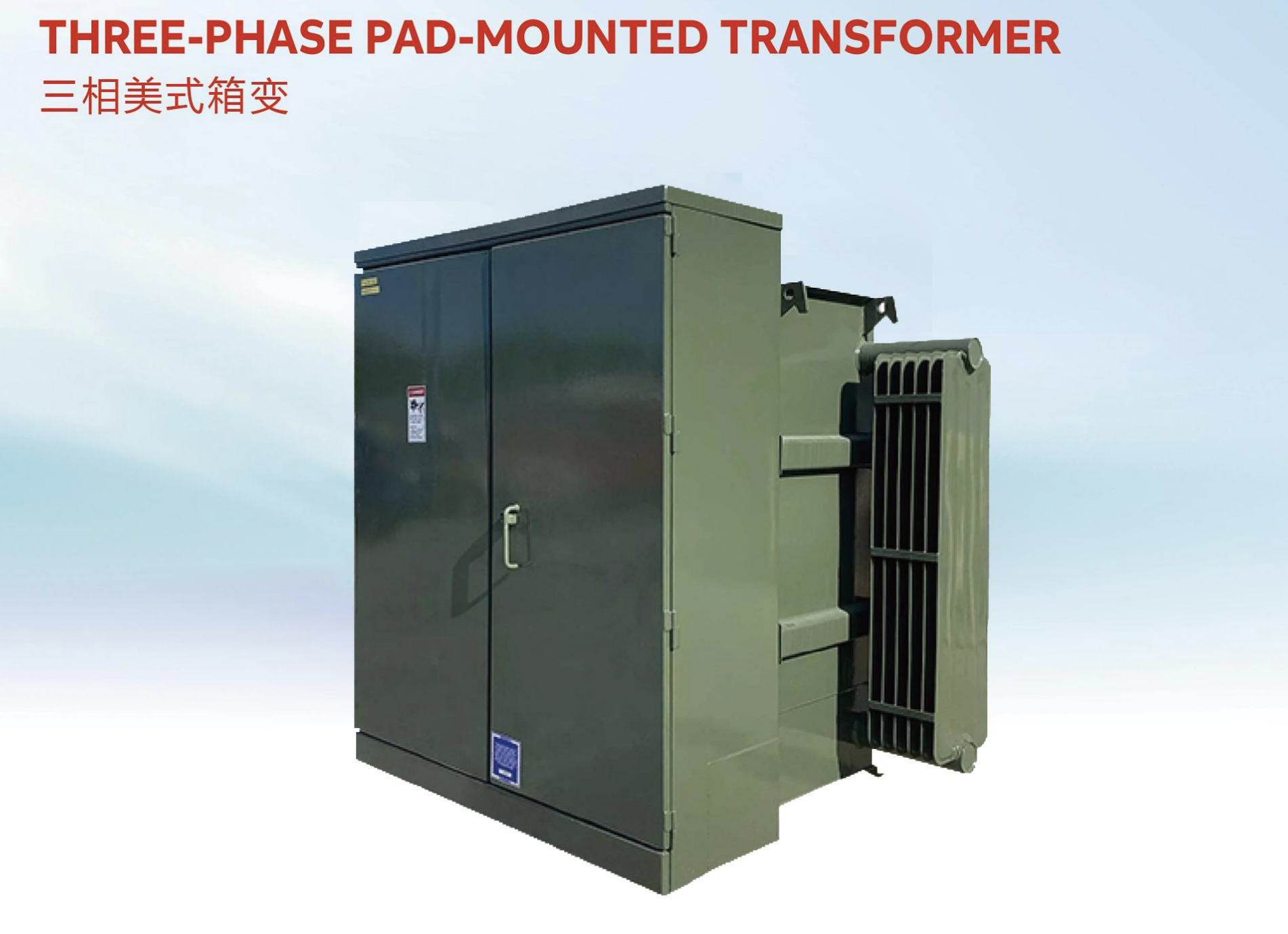
An oil leak on a pad-mounted distribution transformer needs a field sequence, not a quick top-up. The enclosure may look self-contained, but oil leakage is a progressive fault: a falling oil level reduces insulation and cooling, and an unrepaired leak can lead to an outage or a fire risk. This guide sets out a North American field response for three-phase pad-mounted units in the ZGS-H/ZGS-Z 75–2500 kVA frame supplied through Apex Power Systems (Nanjing) Co., Ltd., an international trading and supply-partner company for power transformers and substation equipment that is not itself a manufacturer. It covers immediate safety and containment, source checks around gaskets, valves and fittings, documentation for warranty or acceptance, and when to involve the supplier.
What an oil leak means on a pad-mounted transformer
Oil leakage is a progressive fault rather than a cosmetic one. Besides the environmental and safety exposure, a falling oil level reduces insulation and cooling, and a leak that is not repaired will eventually cause an outage or a fire risk. That is why the field approach should locate the exact leak point first rather than adding oil and waiting, because the position of the leak tells you the cause: a gasket, a flange, a valve, a weld or overpressure.
A pad-mounted transformer is a distribution transformer whose high-voltage and low-voltage switching, fusing and protection are enclosed together with the transformer in a tamper-resistant steel enclosure, installed at ground level on a concrete pad. It is the standard solution for underground residential and commercial distribution in North America, because the enclosure allows the unit to stand in publicly accessible areas without a fenced substation. Typical ratings in service range from about 25 kVA to 500 kVA, with single-phase units common at 50 kVA and 75 kVA and three-phase units used for commercial and light-industrial loads.
The custom transformer frame for this guide is the ZGS-H/ZGS-Z three-phase pad-mounted series, rated 75–2500 kVA. Its high-voltage classes are 4.16, 12.47, 13.2, 13.8, 22.86, 24.94 and 34.5 kV or customized; low voltage is 240, 480, 600 or 347 V or customized; frequency is 50 or 60 Hz. The product description specifies a fully sealed stainless-steel or carbon-steel welded tank, epoxy-resin molded high-voltage bushings with elbow connectors, copper busbar low-voltage terminals, natural mineral-oil circulation, a load-break switch, fuse and surge arrester, with loop-feed configuration optional.
North American context: standards, enclosure and HV class
Pad-mounted design is standard for underground residential and commercial distribution because the tamper-resistant enclosure allows the transformer to be placed in publicly accessible areas without a fenced substation. For market acceptance, the compliance frame matters as much as the enclosure. The market requirement referenced in the corpus is a UL Certificate of Compliance for liquid-filled distribution transformers rated over 750 V; for Canada, certification to CSA C2.1-06 and CSA C227.4 is also referenced. The ZGS-H/ZGS-Z product context lists ANSI/IEEE insulation level, UL/CSA certification and DOE (2016) or CSA (2023) efficiency.
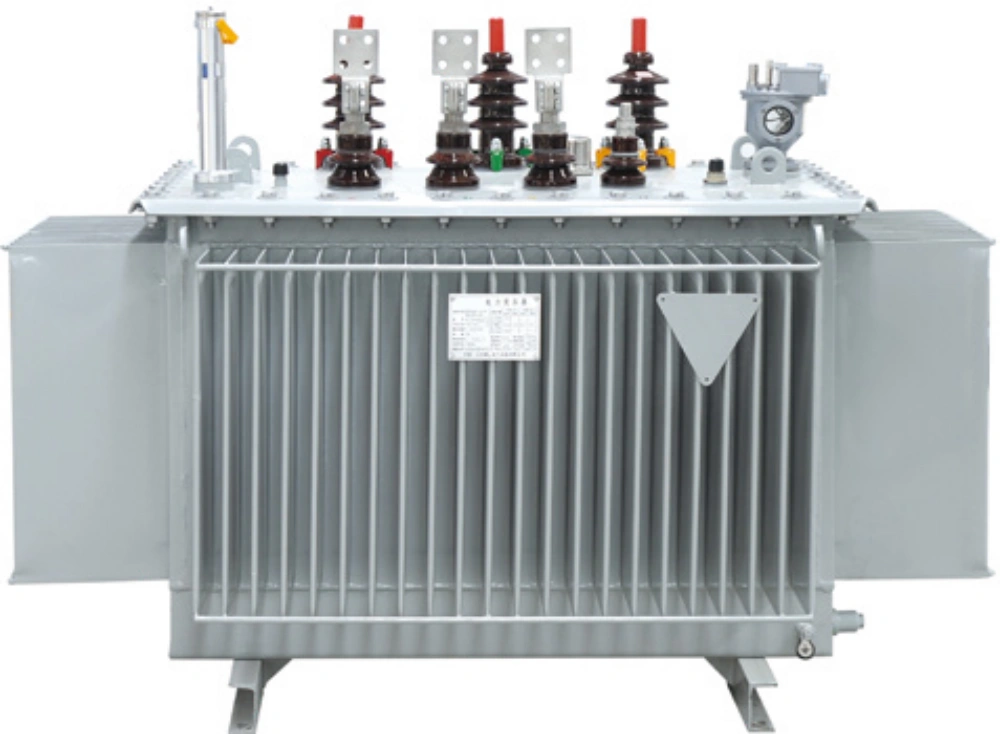
The high-voltage class must match the nameplate and the purchasing utility specification. The listed classes run from 4.16 kV to 34.5 kV, with customized options, so a field response should begin with the nameplate, the submittal drawings and the actual accessory set. A generic instruction written for a conservator-type transformer should not be applied blindly to a fully sealed pad-mounted design without confirming which accessories are fitted.
Field response sequence: secure, locate, contain, document
The correct first move is to secure the area and identify the exact leak point before adding oil. The sequence below follows the oil-leak and maintenance guidance in the corpus and keeps the field decision tied to the specific unit.
- Secure the area and confirm isolation. Treat the enclosure as energized until the utility confirms isolation. The maintenance safety rule in the corpus is explicit: isolate and earth before working inside any enclosure; never open a transformer tank or bushing turret while the unit is energized; handle and dispose of insulating oil in accordance with environmental regulations; and keep spill containment ready.
- Clean the area and locate the exact leak point. Do not add oil and wait. The leak position points to the cause: a gasket, a flange, a valve, a weld or overpressure. Inspect the tank, bushing turret, valve and radiator joints, and look for staining and a falling oil level.
- Check the overpressure path before touching seals. The generic oil-leak checklist includes checking the breather and conservator oil level to rule out overpressure. On a fully sealed ZGS pad-mounted design, confirm the actual accessory set from the submittal drawings before applying a conservator step; the sealed tank is the product description, not an assumption about which accessories are fitted.
- Match the leak point to the cause. The documented causes are age-hardened or incorrectly seated gaskets; loose flange bolts; weld or casting defects; leaking valves or gland packing; corrosion of the tank or pipework; and overpressure caused by a blocked breather or an incorrect oil level. A gasket leak is handled differently from a weld or casting defect.
- Repair only what the evidence supports. For a gasket leak, retighten to the specified torque or replace the gasket. For a weld or casting defect, repair under an approved welding procedure and re-test. A valve or gland-packing leak is a component repair, so isolate the unit and use qualified personnel. Do not substitute an unapproved field weld for a tested repair.
- Replenish with the correct oil grade and re-test. After repair, replenish with the correct oil grade and re-test dielectric strength and moisture. If oil condition is in doubt, take an oil sample for dielectric strength, moisture and dissolved gas analysis. The maintenance programme in the corpus combines oil testing, breather and cooling-system checks, bushing and connection inspection, protection checks and trend records.
- Record the event and compare trends. Record the leak, cause and repair in the maintenance history. Also record load current, ambient temperature, oil level and oil-test results, because a sudden change in dissolved gas or moisture is an early warning of an internal fault.
Field principle: do not turn a leak into an oil-level top-up routine. Locate the leak, contain it, repair the supported cause, re-test the oil and record the result before the unit returns to service.
What to check around gaskets, valves and fittings
- Gaskets and flanges: age-hardened or incorrectly seated gaskets and loose flange bolts are documented causes. Clean the area, identify the exact joint, then retighten to the specified torque or replace the gasket.
- Valves and gland packing: leaking valves or gland packing are documented causes. Treat these as component repairs, isolate the unit and use qualified personnel rather than forcing packing or reusing a damaged valve.
- Welds and castings: weld or casting defects require repair under an approved welding procedure and re-test. A leak at a weld or casting is a supplier escalation point because the repair must be controlled and recorded.
- Tank and pipework corrosion: corrosion of the tank or pipework is a documented cause. Inspect the extent, record the location and plan repair or replacement before the leak worsens.
- Overpressure path: a blocked breather or incorrect oil level is a documented cause of overpressure. Where a breather or conservator is fitted, check it before touching seals.
Leak-point decision table
The table below converts the documented causes into a field decision. It does not replace the utility work procedure or the supplier drawings; it shows where the first check should start and when escalation is appropriate.
| Leak point | What it suggests | First field check | Escalation trigger |
|---|---|---|---|
| Gasket at tank cover, bushing turret or radiator joint | Age-hardened or incorrectly seated gasket; loose flange bolts | Clean and locate; check torque and seating | Retighten to specified torque or replace gasket; escalate if the leak returns |
| Valve or gland packing | Leaking valve or gland packing | Isolate and inspect the valve | Qualified repair; involve supplier if under warranty or acceptance |
| Weld or casting | Weld or casting defect | Do not apply an unapproved field weld | Repair under approved welding procedure and re-test; supplier involvement |
| Tank or pipework corrosion | Corrosion of tank or pipework | Inspect extent and oil level | Plan repair or replacement; supplier review |
| Oil level or pressure symptom | Blocked breather or incorrect oil level where a breather or conservator is fitted | Check breather and conservator oil level | Correct the cause; escalate if overpressure persists |
Documentation for warranty, acceptance and maintenance history
Documentation is part of the repair, not an afterthought. The distribution-transformer manufacturing and quality-control context includes routine tests per IEC 60076 and ANSI/IEEE C57.12: turns ratio, resistance, no-load and load losses, impedance, insulation and oil quality, with type and special tests available. The in-house component capability also includes tank pressure and leak testing, which supports the tank and weld checks described above.
The overseas project-delivery capability adds pre-shipment factory acceptance testing, post-installation joint site acceptance testing with the customer, third-party inspection where required, spare-parts support and remote technical support. The distribution-transformer supply described in the corpus includes a 12-month warranty, spare-parts replacement and remote technical support, with optional on-site commissioning. Apex Power Systems is a trading and audit partner, not a manufacturer, and manages documentation and supplier coordination on the buyer's behalf.
For a warranty or acceptance file, keep the nameplate data and actual accessory set; the submittal drawings; factory test reports and oil-test results; factory and site acceptance records; the leak location and cause; the repair procedure and post-repair oil tests; and the correspondence with the supplier. Do not rely on a verbal assurance that a leak was fixed. The record should show what was repaired, which oil tests were repeated and whether the unit was returned to service under load.
When to involve the supplier
Involve the supplier when the leak is at a weld or casting, when a gasket leak returns after correct retorquing, when oil tests show abnormal moisture or dissolved gas, when the unit is under warranty or acceptance, or when the field team cannot confirm the accessory set or oil grade. The supplier should also be involved if the tank appears over-pressurised after the breather path has been checked.
Apex Power Systems is a trading and supply partner, not a manufacturer. In the supply model described in the corpus, it audits manufacturing partners, verifies certifications in the correct entity name for the product family, and manages design review, production, witness testing, documentation, freight and on-site commissioning support. That matters in a leak response because the escalation path should reach the party that can retrieve the correct drawings, test reports, oil specification and warranty position, not only a local service visit.
Application scenarios: where this response fits
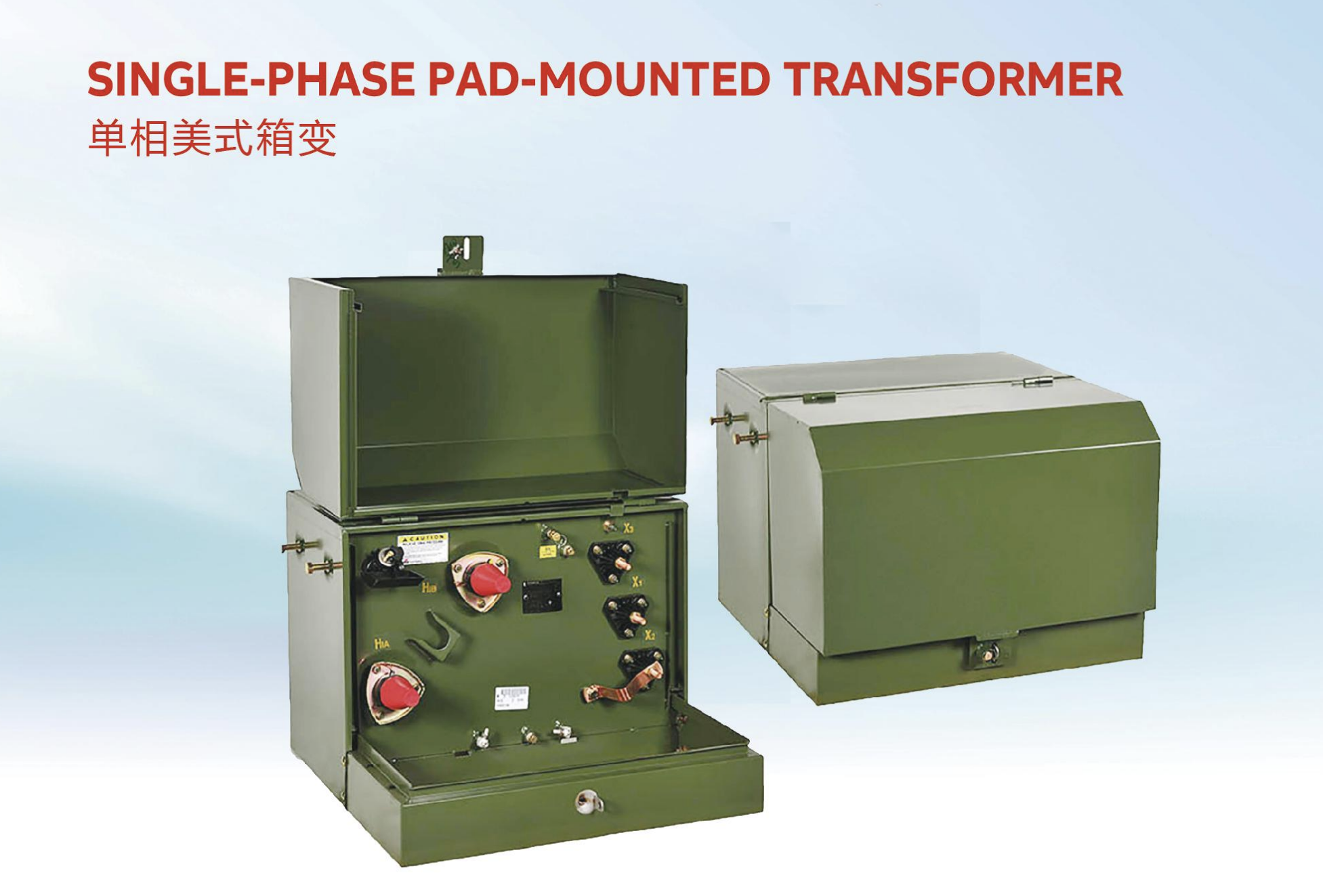
Residential underground distribution. Single-phase pad-mounted units in the typical 25–100 kVA range, with 50 kVA and 75 kVA at 7200/2400 V and 120/240 V secondary, are common in service. A visible leak at a gasket or valve should be contained and documented before the utility decides whether to repair or replace. The ZGS-H/ZGS-Z three-phase frame covers commercial and light-industrial loads where three-phase supply is required, from 75 to 2500 kVA.
Commercial and light-industrial pads. Three-phase pad-mounted units may use loop-feed or radial-feed configuration, with a load-break switch, fuse and surge arrester and epoxy-resin molded bushings with elbow connectors. Field checks should stay outside energized elbows and sealed compartments, and any work inside the enclosure should follow the utility isolation and earthing procedure.
Coastal, humid and high-temperature sites. The product description includes a corrosion-resistant enclosure for coastal, humid and high-temperature climates, with stainless-steel or carbon-steel welded tank construction and anti-corrosion powder coating. These features reduce exposure but do not remove the need to inspect tank and pipework corrosion and to record any change in oil level or appearance.
Utility distribution upgrade projects. Where a pad-mounted unit is being accepted or replaced, the same documentation set supports acceptance and future warranty. A delivered 15 MVA pad-mounted transformer project for a US transmission company is a reference in the corpus for North American pad-mounted supply.
FAQ
What standards and certifications apply to pad-mounted transformers for North American projects?
For liquid-filled distribution transformers rated over 750 V, the market requirement referenced in the corpus is a UL Certificate of Compliance; for Canada, certification to CSA C2.1-06 and CSA C227.4. The ZGS-H/ZGS-Z product context lists ANSI/IEEE insulation level, UL/CSA certification, DOE (2016) or CSA (2023) efficiency, high-voltage classes from 4.16 to 34.5 kV or customized, and low voltage of 240, 480, 600 or 347 V or customized. Confirm the exact certificate and standard against the submittal for the specific unit, because the nameplate, voltage class and destination market must match.
What should I check first when a pad-mounted transformer is leaking oil?
Secure the area and confirm isolation, then clean the area and locate the exact leak point. Do not add oil and wait. The leak position points to the cause: gasket, flange, valve, weld or overpressure. The generic checklist includes checking the breather and conservator oil level where fitted to rule out overpressure; on a fully sealed pad-mounted design, use the accessory set shown on the drawings.
Can I top up the oil and keep the unit in service?
Topping up is not a repair. A leaking unit loses oil, and a falling level reduces insulation and cooling; an unrepaired leak can lead to an outage or a fire risk. Repair the identified cause, replenish with the correct oil grade, and re-test dielectric strength and moisture. If the oil condition is uncertain, take a sample for dielectric strength, moisture and dissolved gas analysis.
What oil tests and records should follow a leak repair?
Re-test dielectric strength and moisture after replenishment. Where oil condition is in doubt, use dissolved gas analysis. Record the leak point, cause, repair, oil grade, test results and the load and ambient conditions. Keep the maintenance history with the factory test reports, acceptance records and drawings so the unit can be compared with its baseline.
When should the transformer supplier be involved?
Involve the supplier for weld or casting leaks, repeat gasket leaks, abnormal oil tests, overpressure that persists after the breather path is checked, warranty or acceptance issues, or uncertainty about the accessory set or oil grade. The supplier holds the drawings, test reports, oil specification and warranty position for the unit.
How do I choose a custom transformer manufacturer for utility distribution upgrade projects?
Start with the market certification, the voltage class and the pad-mounted configuration, then verify the manufacturer's quality system, test capability and export record. In the supply model described here, Apex Power Systems (Nanjing) Co., Ltd. is a trading and audit partner, not a manufacturer; it shortlists and audits factories, verifies ISO 9001, ISO 14001, ISO 45001, IEC, UL, CSA and KEMA evidence in the correct entity name, and manages factory acceptance, documentation and commissioning support. For a North American pad-mounted reference, the corpus includes a 15 MVA pad-mounted transformer project for a US transmission company. A practical next step is to assemble the nameplate data, drawings and leak records for a supplier review.
Conclusion
A pad-mounted oil leak is a field event with a sequence: secure the area, locate the exact point, contain and document, repair the supported cause, re-test the oil, and escalate to the supplier when the evidence calls for it. The ZGS-H/ZGS-Z 75–2500 kVA product frame gives the North American context for high-voltage class, ANSI/IEEE, UL/CSA and DOE/CSA efficiency, but the field decision still rests on the specific unit, its accessory set and its records. Treat a leak as a progressive fault, not a cosmetic stain, and the warranty, acceptance and maintenance file will be stronger for it.
For a documented next step, review the approved catalog and prepare the nameplate, drawings and leak records for supplier review.
Have Questions or Need More Details?
Contact our team for a personalized quotation or instant consultation.
Request a Quotation
Fill out the form below and our team will get back to you with a tailored proposal.
WhatsApp Direct Chat
Prefer to chat in real-time? Message us on WhatsApp for instant assistance & quick answers.
- Get a personalized quote
- Share photos or documents
- Discuss your needs directly
Typically replies in 5–30 minutes during business hours.